
10 Essential Elements Of A Successful Website Design
In today’s digital age, a well-designed website is vital for businesses to establish a strong online presence and engage with your target audience effectively. A successful website goes beyond just aesthetics; it combines visual appeal with functionality and user experience. In this blog post, we will explore the ten essential elements that contribute to a successful website design. By understanding and implementing these elements, you can create websites that captivate visitors, drive conversions and achieve your online goals.
1. Clear & Intuitive Navigation
Smooth and intuitive navigation is the backbone of a successful website. Visitors should be able to find the information they’re looking for quickly and easily. A clear navigation menu, preferably located at the top of the page, guides users through the website’s various sections. It’s crucial to organise content logically and use descriptive labels for menu items, ensuring visitors can navigate effortlessly and have a positive user experience.
2. Engaging & Relevant Content
Content is king when it comes to websites. Engaging, informative and relevant content keeps visitors interested and encourages them to explore further. Whether it’s well-written copy, captivating images, or compelling videos, the content should align with the target audience’s needs and interests. It’s essential to convey the brand’s message clearly, highlight unique selling points and provide valuable information that visitors are seeking.
3. Responsive & Mobile Friendly Design
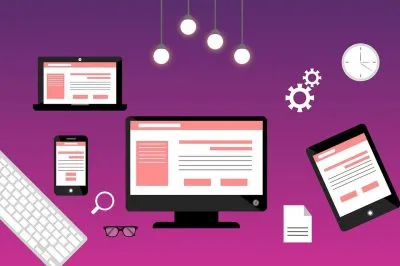
With the increasing use of mobile devices, a responsive and mobile-friendly design is a must. A successful website design ensures that the site adapts seamlessly to different screen sizes and resolutions. Mobile optimisation enhances user experience, as visitors can access the website on their smartphones or tablets without any issues. Responsive design not only caters to mobile users but also contributes to improved search engine rankings.
4. Eye Catching Visual Design
The visual design of a website plays a crucial role in capturing visitors’ attention. It involves selecting a harmonious colour scheme, utilising appealing typography and incorporating high-quality images or graphics that align with the brand’s identity. A visually attractive website enhances the overall user experience, creates a positive impression and reinforces the brand’s credibility. Consistency in visual design across the website helps to maintain a cohesive and professional appearance.
5. Call To Action (CTA) Buttons
Effective call-to-action buttons prompt visitors to take the desired action, whether it’s making a purchase, signing up for a newsletter, or contacting the business. These buttons should be strategically placed throughout the website and designed in a way that grabs attention. It’s essential to use compelling and action-oriented language, contrasting colours and clear positioning to ensure that CTAs stand out and encourage conversions.
6. Fast Loading Speed
In today’s fast-paced digital world, users have little patience for slow-loading websites. A successful website design prioritises fast loading speed to provide an optimal user experience. Optimising image sizes, minimising code and leveraging caching techniques are some strategies to improve loading times. A website that loads quickly not only enhances user satisfaction but also contributes to better search engine rankings.
7. Search Engine Optimisation (SEO)
SEO is critical for a website’s visibility in search engine results. A successful website design incorporates SEO best practices, including keyword optimisation, meta tags and structured data. By implementing these elements, you can improve your business website’s ranking, drive organic traffic and attract your target audience. It’s important to conduct keyword research and optimise content to align with the target audience’s search queries and improve the chances of appearing in relevant search results.
8. Social Media Integration
Social media integration allows businesses to extend your online presence and engage with your audience on popular platforms. A successful website design incorporates social media buttons or widgets that encourage visitors to connect and share content. It’s essential to choose the relevant social media channels for the target audience and ensure that the integration is seamless, providing opportunities for visitors to interact with the brand beyond the website.
9. Trust Signals & Testimonials
Building trust is crucial for converting visitors into customers. A successful website design includes trust signals such as customer testimonials, reviews, security badges and industry affiliations. These elements showcase credibility and provide reassurance to potential customers. Testimonials can be displayed prominently on the homepage or dedicated testimonial page, sharing positive experiences of satisfied clients and establishing trust in the brand.
10. Analytics & Measurement
A successful website design incorporates analytics and measurement tools to track and analyse website performance. This data provides insights into user behaviour, popular pages, conversion rates and more. By understanding how visitors interact with the website, businesses can make informed decisions to improve user experience and optimise your online presence. Tools like Google Analytics help monitor website metrics, identify areas for improvement and make data-driven decisions to drive success.
Creating a successful website design involves combining aesthetics, functionality and user experience. By incorporating clear navigation, engaging content, responsive design and other essential elements, businesses can create websites that attract visitors, drive conversions and achieve your online goals. Understanding these crucial elements empowers businesses to create an impactful online presence and stand out in the competitive digital landscape.
A successful website design is a strategic combination of various elements that work together to create a positive user experience and drive business growth. By implementing these essential elements, businesses can create websites that leave a lasting impression on visitors and contribute to their overall success.

By Bec Lee
Bright Website Design
Bec is the founder of Bright Website Design, a Wilmslow-based website design agency specialising in building beautiful, high-performing WordPress websites for small & medium businesses.
With a reputation for being straightforward, technically sharp, and genuinely invested in her clients’ success, Bec has built websites for businesses of all shapes and sizes, from local Cheshire traders to companies operating across Europe.


