
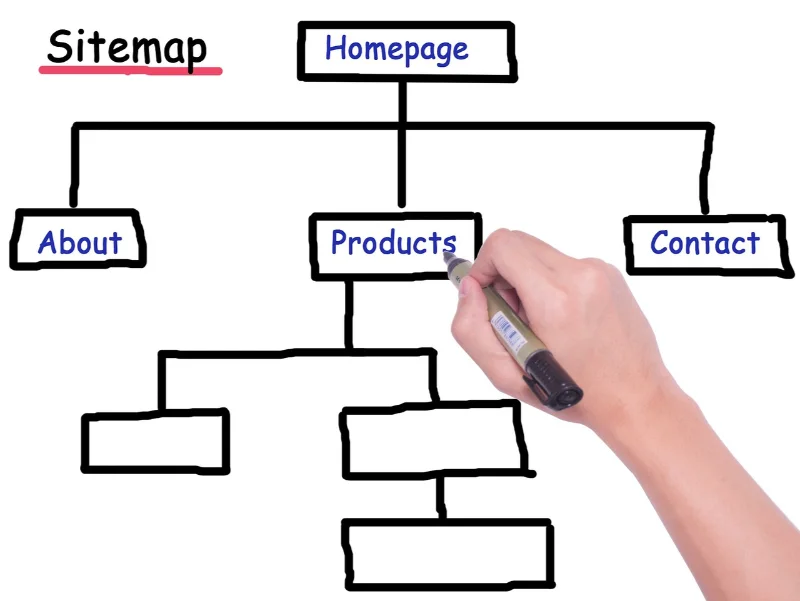
Essential Pages for Your Website
A well-structured website is the foundation of your online presence. Whether you’re a small business, an entrepreneur or a growing company, ensuring your site has the essential pages and content is crucial for engaging visitors, improving conversions and boosting your search engine ranking.
In this article, I’ll break down the essential pages every website needs and the content they need to include.
Home Page
Your Digital Storefront
Your homepage should feature a clear headline, a brief introduction to your business, key services or offerings, compelling visuals, social proof (testimonials or reviews) & a strong call to action to guide visitors towards their next step.
Key Content for Your Home Page:
Best Practice
Keep the homepage clean, clutter-free & mobile-friendly
About Page
Build Trust & Credibility
Your About Page tells the story of your business, why you exist and what sets you apart.
What to Include:
Best Practice
People buy from people. Use authentic storytelling to build trust
Services or Products Page
Showcase What You Offer
This page is where you sell your expertise. It should be clear, structured, and compelling.
Best Practice
Use bullet points & visuals to make content easy to scan.
Contact Page
Make It Easy to Reach You
A website without a clear contact page is frustrating for visitors. Ensure your contact details are easy to find.
Must-Have Contact Information:
Best Practice
Reduce friction – don’t ask for unnecessary details in your contact form
Blog Page
Boost SEO & Engagement
A blog is not just a place for news—it’s a powerful tool for educating customers and improving SEO.
Why a Blog Matters:
Best Practice
Aim for high-quality, helpful content that answers your audience’s questions
Testimonials or Case Studies Page
Social Proof Sells
People trust real experiences over marketing claims. A Testimonials or Case Studies page builds credibility.
What to Include:
Best Practice
Use real names, photos & business names to make testimonials more authentic
FAQ Page
Address Common Questions
An FAQ page saves time by answering common questions about your business, products, or services.
Key Benefits of an FAQ Page:
Best Practice
Structure FAQs in categories for better readability
Privacy Policy & Terms of Service
Legal Must-Haves
If your website collects any user data, having a Privacy Policy is a legal requirement.
What to Include:
Best Practice
There are free generators available, but it’s always best to consult a legal expert
E-commerce Essentials (If You Sell Online)
Essential Pages for your online shop
If your website includes an online store, these pages are essential:
Best Practice
Use trust badges (SSL, secure checkout, money-back guarantee) to increase conversions
A great website isn’t just about looking good
A great website is about having the essential pages, structured content and a user-friendly experience.
At Bright Website Design, we help businesses create conversion-focused websites with all the essential pages tailored to their needs.

By Bec Lee
Bright Website Design
Bec is the founder of Bright Website Design, a Wilmslow-based website design agency specialising in building beautiful, high-performing WordPress websites for small & medium businesses.
With a reputation for being straightforward, technically sharp, and genuinely invested in her clients’ success, Bec has built websites for businesses of all shapes and sizes, from local Cheshire traders to companies operating across Europe.


